
The Real Reason Carbon Fiber Commands a Premium Price
Why is carbon fiber so expensive? The short answer: every stage of its production — from petroleum-derived precursor chemistry to energy-devouring furnaces to painstaking hand assembly — stacks cost on top of cost in ways no other structural material demands. The longer answer is far more interesting, and it reveals whether this material is genuinely overpriced or simply priced where cold economics insist it must be.
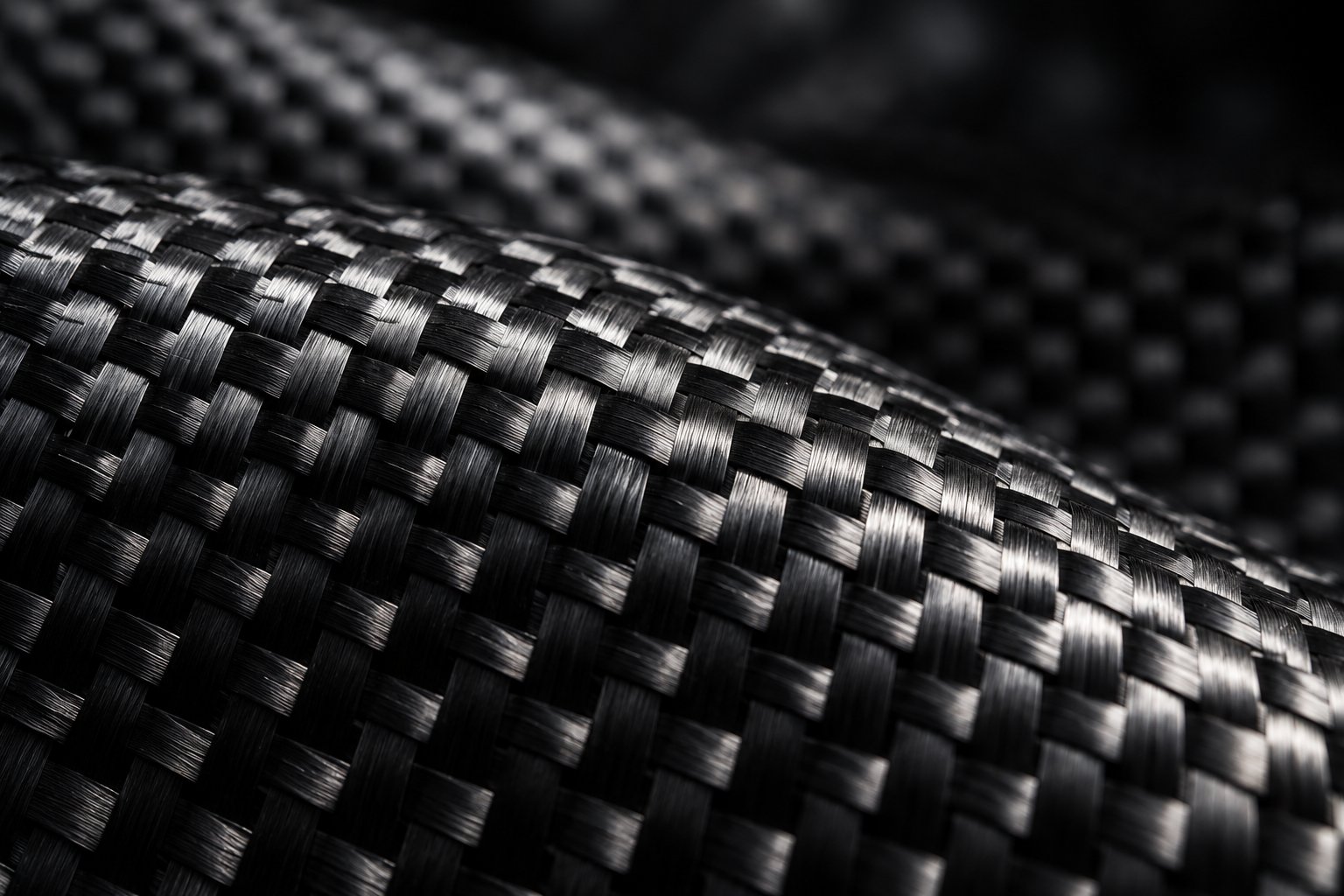
Imagine a material built from polymer strands thinner than a human hair — each one roughly 5 to 10 microns in diameter. Thousands of these filaments are bundled, chemically transformed through extreme heat, and woven into sheets that deliver an extraordinary strength-to-weight ratio. That material is carbon fiber, and its journey from raw petroleum-based chemicals to a finished composite part is one of the most complex manufacturing chains in modern industry. A systematic cost study published in Heliyon found that the precursor material alone can account for roughly 50% to over 76% of the final fiber cost, depending on production configuration — and that's before energy, labor, or tooling even enter the equation.
This article isn't written by a carbon fiber manufacturer looking to justify a price tag. It's a neutral, full cost-chain walkthrough designed to show you exactly where every dollar goes — from barrel of oil to finished part on a shelf.
What Makes Carbon Fiber Different from Other Materials
Carbon fiber's reputation isn't built on hype. Pound for pound, it outperforms the two metals it most often replaces in ways that are hard to argue with. Steel is roughly five times heavier than carbon fiber at comparable strength levels. Aluminum cuts that weight gap significantly but still can't match carbon fiber's stiffness-to-weight ratio or its resistance to fatigue over time. You'll also notice that carbon fiber doesn't corrode the way metals do, and it can be molded into complex aerodynamic shapes that would require multiple stamped metal pieces welded together.
These properties explain the demand. Aerospace engineers use it to shave thousands of pounds off airframes. Motorsport teams rely on it for split-second performance advantages. Even the automotive aftermarket has embraced it for lightweight body panels and trim. The question has never really been whether carbon fiber is better — it's whether the performance gap justifies the price gap. Answering that requires understanding exactly what drives the cost.
What This Cost Analysis Covers
Rather than offering vague claims about carbon fiber being "energy-intensive" or "hard to make," this article traces the complete production chain with specific numbers, temperature ranges, and percentage breakdowns. Here's what you'll find ahead:
- Raw material economics — why the polyacrylonitrile (PAN) precursor alone consumes a massive share of the budget
- Manufacturing energy costs — the specific temperatures and durations that make production so power-hungry
- The full cost stack — a dollar-by-dollar breakdown of where material, labor, tooling, and overhead costs actually land
- Supply chain concentration — how a small group of global producers limits competition and keeps prices elevated
- Hidden costs — skilled labor, scrap rates, inspection requirements, and recycling challenges most analyses ignore
- Future pricing outlook — emerging technologies and alternative precursors that could disrupt the current cost structure
Each section builds on the last, starting at the molecular level and working outward to the market forces that determine what you ultimately pay. The first — and arguably most important — link in that chain is a petroleum-derived polymer most people have never heard of.
The PAN Precursor Problem and Raw Material Economics
That petroleum-derived polymer? It's called polyacrylonitrile — PAN for short — and it sits at the very foundation of why carbon fiber is expensive. At least 90% of the world's carbon fiber starts life as PAN precursor fibers, and this single ingredient dominates the final price tag in a way few buyers realize. Think of it like this: before any furnace fires up, before a single technician touches the material, roughly half the cost is already locked in.
PAN is synthesized from acrylonitrile, a chemical monomer derived from propylene — which itself comes from petroleum refining. The process chain runs from oil well to refinery to chemical plant to fiber spinning line, and each link carries its own margin. A cost model published in Heliyon found that the precursor's contribution to total carbon fiber cost ranges from 49.6% for large-tow production (50k filaments) up to a staggering 76.6% for smaller 3k tow sizes. That's not a rounding error — it's the single largest line item on the entire bill.
Making matters worse, the conversion yield from PAN to finished carbon fiber is only about 50%. For every two kilograms of precursor fed into the production line, just one kilogram of carbon fiber comes out the other end. The rest is literally burned away as non-carbon atoms are driven off during high-temperature processing. You're paying for material that never makes it into the final product.
Why the Precursor Alone Drives Up the Price
Here's where it gets nuanced. Not all PAN is created equal. Standard industrial-grade polyacrylonitrile — the kind used in textiles and filtration — is relatively inexpensive to produce. Carbon-fiber-grade PAN is a different animal entirely. The polymer composition must be precisely controlled, typically around 96% acrylonitrile with small amounts of comonomers like itaconic acid to regulate the fiber's behavior during later thermal processing. The spinning process, solvent recovery systems, and quality tolerances are all significantly more demanding than commodity PAN production.
The manufacturing baseline itself is complex. Producing carbon-fiber-grade precursor involves solution polymerization, careful dope preparation, wet spinning through precision spinnerets, coagulation, multi-stage washing, controlled stretching, and surface finishing — all before the fiber even enters a carbonization furnace. Industry cost modeling suggests that the material inputs from polymerization through coagulation alone account for roughly $2.02 per kilogram of PAN, with labor adding another $0.64 and depreciation contributing $0.37, bringing total precursor manufacturing cost to approximately $3.35 per kilogram for a 24k tow configuration.
Petroleum price fluctuations ripple directly through this chain. Since acrylonitrile is a petrochemical derivative, every spike in crude oil prices nudges the cost of PAN upward — and because the precursor already represents such an outsized share of total carbon fiber cost, even modest raw material increases get amplified in the finished product. This is one key reason why carbon fiber pricing can fluctuate significantly year to year, even when manufacturing technology stays constant.
Concrete Price Context for Raw Carbon Fiber
So what does all of this translate to in actual carbon fiber cost? The answer depends heavily on the grade, tow size, and intended application. Industrial-grade carbon fiber — the kind used in wind turbine blades and general structural applications — sits at the lower end of the spectrum. Aerospace-grade fiber, with its tighter tolerances and smaller tow sizes, commands a steep premium driven partly by the precursor economics described above and partly by the more stringent quality requirements.
Based on industry production data, a plant with a capacity of roughly 1,500 tonnes per year can produce carbon fiber at approximately $10 per pound at the manufacturing level. Smaller tow sizes dramatically increase that figure because the same equipment processes fewer filaments per run, spreading fixed costs like labor and depreciation across less output. The table below puts these ranges into practical context:
| Grade | Typical Application | Approx. Price per Pound (USD) | Approx. Price per Kilogram (USD) |
|---|---|---|---|
| Industrial (large tow, 50k+) | Wind energy, infrastructure, automotive panels | $5 – $10 | $11 – $22 |
| Automotive / Standard Modulus (24k – 50k) | Body structures, performance parts, aftermarket components | $10 – $15 | $22 – $33 |
| Aerospace (3k – 12k) | Aircraft structures, satellite components, defense systems | $15 – $30+ | $33 – $66+ |
Notice the pattern: smaller tow sizes correlate with significantly higher prices. Research confirms that carbon fiber cost drops dramatically when tow sizes increase from 3k to 12k, then the decline becomes gradual between 12k and 50k, and essentially levels off beyond 50k. This is why the automotive industry has increasingly gravitated toward larger tow sizes — they offer a path to lower carbon fiber cost without sacrificing the mechanical properties needed for structural and semi-structural components.
The precursor problem, then, isn't just about raw chemistry. It's a compounding equation where petroleum pricing, conversion losses, production scale, and tow size all multiply against each other. And yet the precursor is only the starting point. The real energy bill doesn't arrive until those PAN fibers enter the thermal processing stages — where temperatures climb into the thousands of degrees and stay there for hours.
Inside the Manufacturing Process That Burns Through Energy and Time
Temperatures in the thousands of degrees. Furnaces running under inert atmospheres for hours. Chemical transformations so aggressive that nearly half the original material mass vanishes as gas. If you've ever wondered how expensive carbon fiber really is to produce — and why — the manufacturing process itself tells the story better than any price sheet. Each stage demands sustained, extreme energy input, and there's no shortcut through any of it.
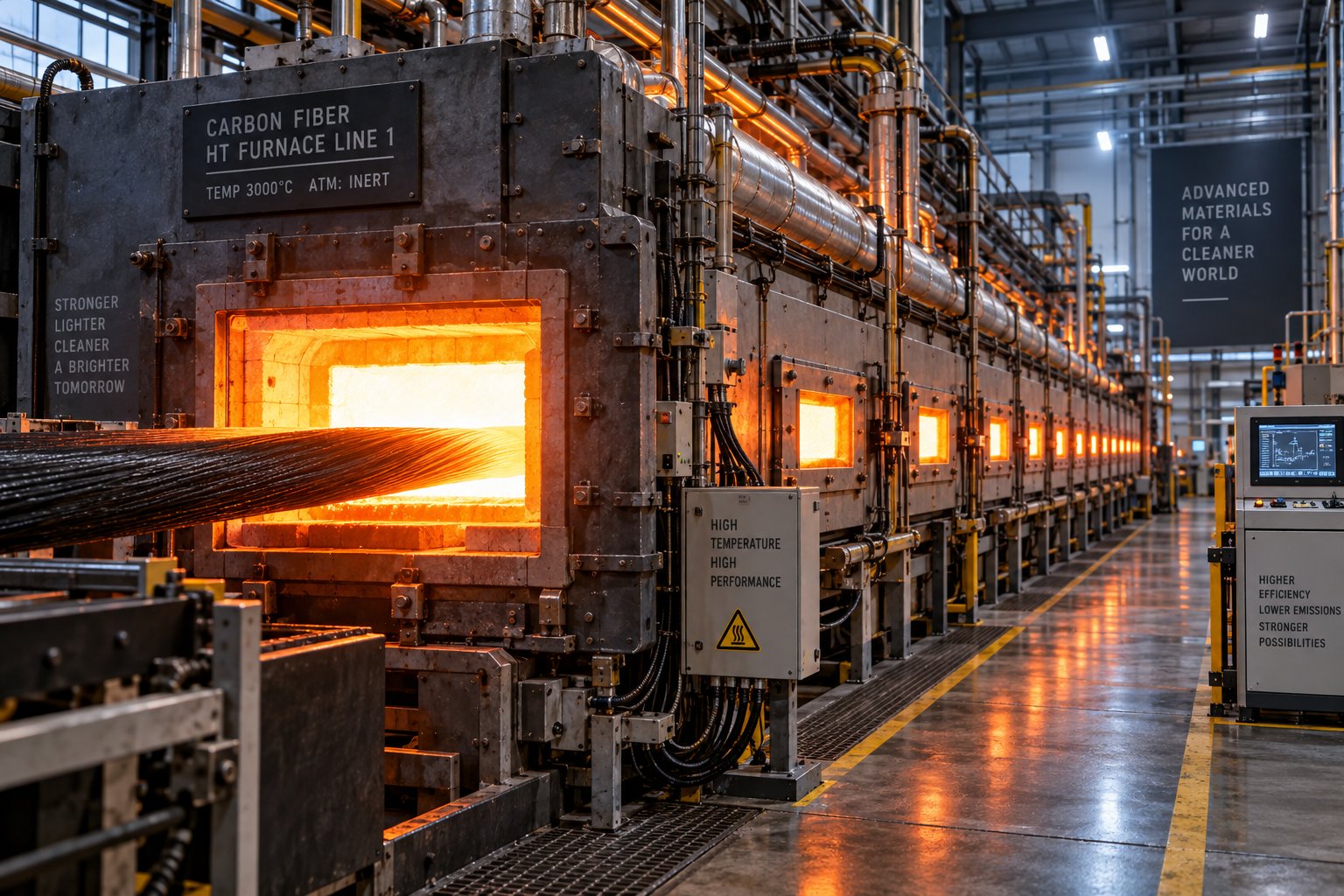
The journey from PAN precursor fiber to finished carbon fiber follows a rigid sequence of thermal and chemical stages. Skip one, rush another, or let temperatures drift outside narrow tolerances, and the entire batch is compromised. Here's the full production sequence with the temperature ranges that make this material so costly to manufacture:
- Stabilization (Oxidation) — 200 to 300 °C in air, sustained for 1 to 2 hours
- Low-Temperature Carbonization — approximately 1,000 °C in an inert nitrogen atmosphere
- High-Temperature Carbonization — 1,500 to 1,800 °C in an inert nitrogen atmosphere
- Surface Treatment — electrochemical oxidation in an electrolyte bath
- Sizing (Protective Coating) — epoxy-based coating application followed by drying
- Exhaust Gas Treatment — regenerative thermal oxidation of off-gases from stabilization and carbonization
Each step builds on the one before it, and together they explain a significant portion of how much carbon fiber costs at the factory gate. Let's walk through them.
Stabilization and Oxidation Stage
Imagine feeding delicate polymer fibers into a continuous furnace heated to 200–300 °C and holding them there — under constant tension — for one to two hours. That's stabilization, and it's the longest individual step in the entire carbon fiber production process. During this stage, the PAN fibers undergo chemical crosslinking reactions that transform their molecular structure from a linear polymer chain into a more thermally stable ladder-like configuration. Without this step, the fibers would simply melt or decompose when exposed to the far higher temperatures that follow.
What makes stabilization particularly expensive isn't just the heat — it's the precision. The reactions occurring inside the fiber are highly exothermic, meaning they generate their own heat. If temperature and ventilation aren't carefully managed, hotspots can develop within the fiber bundle, degrading quality or even causing fiber breakage. Manufacturers must maintain tight control over airflow and temperature profiles across the entire width of the oven, often spanning several meters. This combination of extended processing time, continuous energy draw, and precision climate control makes stabilization one of the most resource-hungry stages in the chain.
It's also the stage attracting the most research attention. Because stabilization takes significantly longer than carbonization, manufacturers and researchers are actively exploring ways to accelerate it — including plasma-assisted oxidation, microwave heating, and low-pressure stabilization with more precise temperature profiles. These technologies could eventually shorten cycle times and reduce energy consumption, but for the moment, conventional thermal stabilization remains the industry standard.
Carbonization and Surface Treatment
Once stabilized, the fibers enter a completely different thermal environment — and the energy demands escalate dramatically. Carbonization is typically a two-stage process designed to strip away every atom that isn't carbon.
In the first stage, fibers pass through a low-temperature furnace — essentially a stainless steel chamber operating at around 1,000 °C. Industry engineers sometimes call this the "tar removal furnace" because it drives off the bulk of volatile compounds, including hydrogen cyanide, ammonia, water vapor, and various hydrocarbons. Harper International's carbonization modeling shows that fiber conversion during this stage follows three distinct phases: a slow start where temperature is still ramping, an active conversion zone where volatile release peaks, and an asymptotic approach where the remaining non-carbon content dwindles. Even in a 14-meter furnace running fiber at 10 meters per minute, the residence time is tightly calibrated — roughly 84 seconds — with seven independently controlled heating zones.
The second stage pushes temperatures to 1,500–1,800 °C inside a high-temperature graphite furnace. At these extremes, essentially all remaining nitrogen and hydrogen atoms are driven from the molecular structure, leaving fibers with a carbon content exceeding 95% by weight. The entire carbonization process must occur under an inert nitrogen atmosphere to prevent the fibers from simply burning up at these temperatures. That nitrogen supply itself represents an ongoing operational cost layered on top of the furnace energy.
After carbonization, the fibers still aren't ready for use. Their surfaces are chemically inert at this point — they won't bond effectively with the resin matrices needed to create composite parts. Surface treatment, typically through electrochemical oxidation in an aquatic electrolyte solution, roughens and chemically activates the fiber surface to improve wettability and adhesion. The carbon fiber roving serves as the anode while being pulled through the electrolyte bath, followed by washing and drying.
Finally, a sizing agent — usually an epoxy-based polymer coating — is applied to protect the fibers from mechanical damage during subsequent handling, weaving, and composite layup. The fibers pass through a sizing bath, absorb the coating and water, then go through a drying stage where the water evaporates and is recovered while the protective coating remains on the fiber surface.
Why Energy Costs Dominate Production
Here's where the numbers land. A comprehensive life cycle assessment published in Polymers found that the total energy demand for producing standard 12k and 24k high-tenacity carbon fiber averages approximately 170 MJ of combined thermal and electrical energy per kilogram of carbon fiber. That same study determined energy consumption during manufacturing accounts for 59% of the total climate change impact and 48% of the fossil resource depletion — making it the single largest environmental and cost driver in the entire production chain.
To put that in perspective, consider what those furnaces are actually doing: sustaining temperatures between 200 °C and 1,800 °C across multiple stages, for a combined processing time measured in hours per batch. The stabilization ovens alone run continuously for one to two hours per pass. The carbonization furnaces, while faster in throughput, demand vastly more energy per unit of time because of the extreme temperatures involved. And then there's exhaust gas treatment — the volatile compounds released during stabilization and carbonization are environmentally hazardous and must be destroyed through regenerative thermal oxidizers running on natural gas, adding yet another energy line item that can't be avoided.
Energy consumption is responsible for 59% of the climate change impact and 48% of the fossil resource use in carbon fiber production — making it the single largest cost and sustainability lever in the entire manufacturing chain.
The carbon fiber cost per pound is heavily influenced by where a production plant is located, because electricity and natural gas prices vary dramatically by region. The same life cycle study evaluated production scenarios across seven countries and found that total environmental impacts — a reasonable proxy for energy-driven costs — ranged from 13.0 to 34.1 kg CO₂ equivalent per kilogram of carbon fiber produced, depending on the local energy grid. A plant running on hydropower in France faces fundamentally different energy economics than one operating on coal-heavy grid power in China.
And the energy bill doesn't end when carbon fiber leaves the production line. Turning raw fiber into a finished composite part often requires autoclave curing — a process where resin-impregnated carbon fiber layups are placed in a pressurized oven operating at elevated temperatures and pressures for hours. This final step adds yet another layer of energy cost that buyers ultimately absorb in the retail price of any carbon fiber component.
All of these energy demands compound against each other. Stabilization heats the fiber for hours at moderate temperatures. Carbonization blasts it at extreme temperatures under inert gas. Exhaust treatment burns off toxic byproducts. Autoclave curing bakes the finished part. Each stage is non-negotiable, and each draws enormous sustained power. That's the fundamental manufacturing reality behind the price — and it brings up a deeper question: across all cost categories combined, where does each dollar actually go?
Breaking Down the Full Cost Stack Dollar by Dollar
You've seen how the precursor dominates material costs and how furnaces devour energy at every thermal stage. But when you hold a finished carbon fiber part in your hands and look at the price tag, those are only two chapters of a longer financial story. The cost of carbon fiber isn't shaped by any single factor — it's the sum of at least six major cost categories stacking on top of each other, each one adding a layer that most buyers never see itemized.
So where does each dollar actually go? Let's trace it.
Where Each Dollar Actually Goes
Breaking down the price of carbon fiber per kg — or any finished composite component — requires separating the cost chain into distinct buckets. The exact percentages shift depending on the grade of fiber, production volume, and part complexity, but industry cost modeling consistently reveals a clear hierarchy. Raw materials and energy claim the lion's share, with labor, tooling, quality assurance, and overhead dividing the remainder.
The table below presents estimated cost shares based on composites industry convention and the production data explored in earlier sections. Ranges are used deliberately — exact splits vary by manufacturer, region, and application — but the relative ranking is consistent across most production scenarios:
| Cost Category | Estimated Share of Total Cost | Explanation |
|---|---|---|
| Raw Materials (PAN Precursor) | 40% – 55% | The single largest cost driver. Precursor chemistry, petroleum feedstock pricing, and the roughly 50% conversion yield loss all compound here. |
| Energy (Thermal Processing) | 15% – 25% | Stabilization, carbonization, exhaust treatment, and autoclave curing demand sustained high-temperature energy input across multiple stages. |
| Labor | 8% – 15% | Skilled technicians for hand layup, machine operation, and composite fabrication. Labor intensity increases sharply for complex part geometries. |
| Tooling and Molds | 5% – 15% | CNC-machined molds, vacuum bagging infrastructure, and autoclave equipment. Share of per-unit cost depends heavily on production volume. |
| Quality Assurance and Inspection | 3% – 8% | Non-destructive testing (ultrasonic, X-ray), dimensional verification, and material certification — especially stringent for aerospace-grade products. |
| Overhead and Depreciation | 5% – 12% | Facility costs, equipment depreciation, nitrogen supply contracts, environmental compliance, and administrative expenses. |
Notice the imbalance. Raw materials alone can consume more than half the total cost of carbon fiber production, and energy often takes another quarter. That means roughly 60% to 75% of the final price is determined before a human hand ever touches the fiber. Labor, tooling, quality control, and overhead collectively account for the remaining slice — but within that slice, one category deserves special attention because of how dramatically it can swing the per-unit price.
The Tooling and Mold Investment
Imagine you need a single carbon fiber hood for a prototype vehicle. Before a single ply of fiber is cut, someone has to build the mold it will be shaped on. That mold isn't a simple metal stamp — it's typically a CNC-machined form made from aluminum, Invar alloy, or even carbon fiber itself, designed to withstand repeated autoclave cycles at elevated temperatures and pressures without warping. A single prototype mold for a moderately complex automotive part can easily cost $5,000 to $8,000 or more, and production-grade tooling for high-volume runs climbs far higher.
Why is carbon fiber tooling so much more expensive than tooling for stamped metal? Several factors compound against each other:
- Material compatibility — Molds must match the thermal expansion characteristics of carbon fiber composites during cure cycles, often requiring specialty alloys like Invar that are expensive to source and machine.
- Surface finish requirements — Carbon fiber parts display every imperfection in the mold surface. Achieving the mirror-like finish expected on visible carbon weave requires extensive hand polishing and surface preparation of the tool itself.
- Vacuum bagging infrastructure — Unlike a metal stamping press that shapes a part in seconds, carbon fiber layups require vacuum bagging systems that draw air from the laminate during cure, adding material cost and setup time for every single part.
- Autoclave access — High-performance composite parts often cure in autoclaves — pressurized ovens that can cost hundreds of thousands of dollars to purchase, install, and maintain. This capital investment must be amortized across every part produced.
Here's the critical economic insight most pricing discussions miss: tooling cost per part is almost entirely a function of volume. A mold that costs $6,000 adds $6,000 to the price of a single prototype. Spread that same tooling cost across 100 parts, and it drops to $60 per unit. At 1,000 parts, it's just $6. The mold cost doesn't change — only the number of parts absorbing it does.
A $6,000 carbon fiber mold adds $6,000 to the cost of one part, $60 to the cost of 100 parts, and just $6 to the cost of 1,000 — tooling amortization is the hidden reason low-volume carbon fiber products carry such extreme price tags.
This amortization math is exactly why mass-market carbon fiber products remain elusive while aerospace and motorsport applications absorb the cost more readily. An aircraft program producing thousands of identical structural components can spread tooling investment thinly across each unit. A boutique aftermarket manufacturer producing 50 custom hoods per year cannot. The tooling expense per part becomes a meaningful percentage of how much the finished component is worth — and that cost gets passed directly to the buyer.
Stamped metal parts sidestep this problem through sheer speed. A steel stamping die might cost more upfront than a composite mold, but it can produce a finished part every few seconds. A carbon fiber mold might produce one part per autoclave cycle — a process measured in hours, not seconds. The throughput difference means that even expensive metal tooling gets amortized across thousands of parts per day, while carbon fiber tooling amortizes across handfuls per week.
These cost-stack realities — dominated by precursor chemistry and energy at the material level, then amplified by tooling and labor at the fabrication level — exist within a broader market context that further restricts any downward pressure on pricing. The companies controlling this supply chain are remarkably few, and the barriers preventing new players from entering the market are staggeringly high.
Why So Few Companies Control the Global Carbon Fiber Supply
Precursor chemistry, furnace energy, and tooling amortization all explain the direct production costs — but they don't fully explain why prices stay elevated even as production technology matures. For that, you need to look at who actually makes this material. The answer is surprisingly few companies, and that concentration has profound effects on how much carbon fiber costs for cars, aircraft, wind turbines, and everything in between.
The Global Oligopoly Controlling Carbon Fiber Supply
Count the major players on one hand. Toray Industries, Hexcel, Teijin, Mitsubishi Chemical, and SGL Carbon collectively dominate global carbon fiber production capacity. A global market forecast from Research and Markets projects the carbon fiber market reaching $6.92 billion in 2026 and growing at a 9.35% compound annual rate through 2032 — yet the number of companies capable of producing high-quality carbon fiber remains remarkably small relative to that market size. China's Zhongfu Shenying and a handful of other producers have entered the picture, but the core supply base remains concentrated in Japan, the United States, and Europe.
Why does this matter for pricing? In any market where a few producers control most of the output, those producers hold significant pricing power. They don't need to compete aggressively on price because buyers have limited alternatives. If you're an aerospace manufacturer qualifying carbon fiber for a structural application — a process that can take years and cost millions in testing — you can't simply switch suppliers when one raises prices. You're locked into a qualified source, and that lock-in gives producers confidence to maintain premium pricing.
The barriers keeping new competitors out are staggeringly high. Building a new carbon fiber production line from scratch requires hundreds of millions of dollars in capital investment before a single kilogram of fiber ships. The equipment is specialized — precursor spinning lines, multi-zone stabilization ovens, inert-atmosphere carbonization furnaces, surface treatment baths, and exhaust gas treatment systems all need to be engineered, installed, and calibrated as an integrated system. Then comes the qualification process: aerospace and automotive customers require extensive testing, certification, and production consistency data before they'll accept fiber from a new source. That qualification timeline alone can stretch three to five years, during which the new entrant generates zero revenue from those customers while burning through capital.
This combination of massive upfront investment, long qualification cycles, and entrenched supplier relationships creates a self-reinforcing barrier. Even companies with deep pockets think twice before entering a market where the incumbents have decades of process optimization and customer lock-in on their side.
The Chicken-and-Egg Problem of Scale
Here's the economic trap that keeps carbon fiber expensive even when everyone involved — producers, buyers, and end consumers — would benefit from lower prices. It's a circular dependency that no amount of manufacturing efficiency can break on its own.
Industries need lower carbon fiber prices to justify large-scale adoption, but manufacturers need large-scale orders to justify the capacity expansion that would lower prices — and neither side moves first.
Consider the automotive industry. Car manufacturers know that replacing steel body structures with carbon fiber could cut vehicle weight by 50% or more, improving fuel economy and electric vehicle range. But the price of carbon fibre per kg makes that substitution economically impossible at mainstream production volumes. A single carbon fiber body-in-white can cost several times more than its steel equivalent. Automakers won't commit to carbon fiber at those prices, and producers won't invest billions in new capacity without guaranteed high-volume purchase agreements. Both sides wait, and the status quo holds.
Aerospace has partially broken this cycle — but only for itself. Programs like the Boeing 787 and Airbus A350, which use carbon fiber composites for roughly half their structural weight, created the kind of long-term, high-volume demand that justified capacity expansion by Toray and Hexcel. Those contracts span decades and guarantee purchase volumes large enough to make investment rational. But aerospace demand, while substantial in dollar terms, represents a relatively small fraction of total potential carbon fiber consumption by tonnage. Wind energy blades and industrial applications consume more volume, but at lower margins that don't incentivize capacity growth as aggressively.
The automotive sector — which could dwarf aerospace demand by volume if adoption scaled — has instead opted for incremental use. High-end performance vehicles like BMW's i-series incorporated carbon fiber passenger cells, but mass-market adoption has stalled. Most automakers have settled for using carbon fiber selectively in premium trims and performance components rather than committing to structural applications that would require enormous supply commitments. The result? The volume growth that would push per-kilogram pricing meaningfully lower never materializes at the pace the industry needs.
Electric vehicles represent a potential turning point. Every kilogram saved in an EV translates directly to extended range — a value proposition that combustion vehicles couldn't monetize as clearly. As EV platforms proliferate and range anxiety drives lightweighting priorities, the automotive case for carbon fiber strengthens. But even optimistic projections suggest this demand shift will unfold over years, not quarters, because the supply chain, tooling infrastructure, and design engineering all need to scale in parallel.
This structural bottleneck — too few producers, too much capital required to enter, and a demand-supply stalemate that neither side can unilaterally resolve — sits underneath every other cost factor explored so far. It means that even if a breakthrough slashed precursor costs or halved energy consumption, the concentrated supply structure would still moderate how quickly those savings reach buyers. And beneath these macro-level market dynamics, a layer of cost factors operates at the workshop level — costs that are invisible on any spec sheet but unmistakably present in every price tag.
Hidden Costs Most People Never Consider
Raw materials, energy, and supply chain concentration grab the headlines when people ask why carbon fiber is so expensive. But a surprising portion of the final price comes from cost categories that never appear on a material data sheet — costs embedded in the human skill required to shape the material, the inspection protocols needed to verify it, and the waste generated when something goes wrong. These hidden expenses quietly inflate carbon fiber manufacturing cost in ways that most pricing discussions overlook entirely.
When you buy a carbon fiber component, you're not just paying for fiber and resin. You're paying for the hands that placed every ply, the X-ray that confirmed no voids lurked inside, the scrapped parts that didn't survive quality control, and the engineering hours spent optimizing fiber orientation before production even began. Let's pull back the curtain on each of these.
Skilled Labor and the Hand Layup Challenge
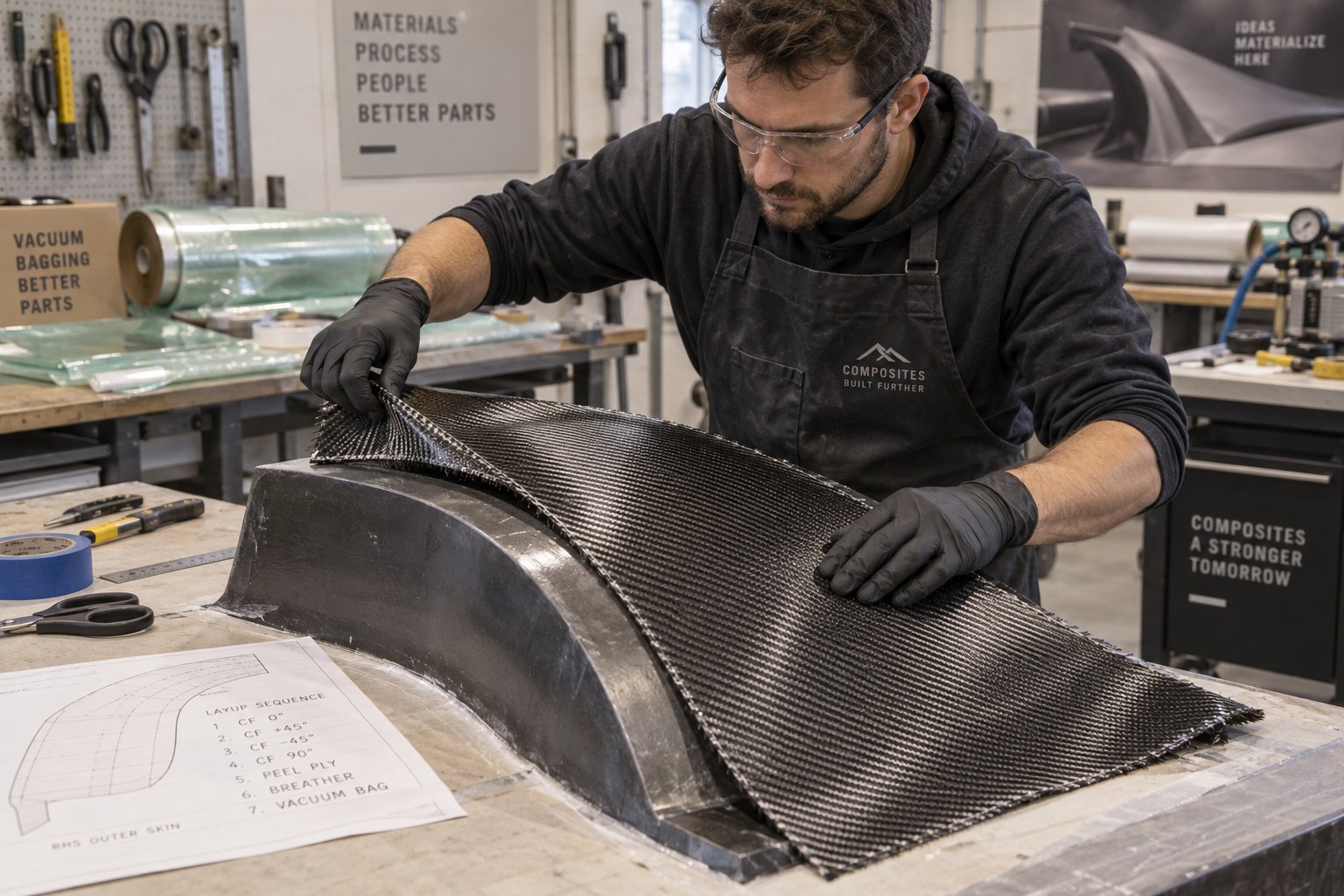
Picture a technician carefully positioning a sheet of pre-impregnated carbon fiber onto a mold. The sheet must sit at a precise angle — say, 45 degrees relative to the previous layer — because the fiber orientation directly determines how the finished part handles stress. Too far off angle, and the component loses stiffness in critical directions. A wrinkle or fold in the ply traps air beneath the surface, creating a void that can become a structural failure point. There's no margin for casual placement.
This is hand layup, and it remains the dominant fabrication method for carbon fiber composite parts. Unlike stamped metal components that emerge from a press every few seconds, carbon fiber parts are built one layer at a time by skilled workers who must understand material behavior, follow precise stacking sequences, and apply the tactile judgment needed to smooth plies over complex curved surfaces. The carbon fiber labor cost per part is dramatically higher than the equivalent in steel or aluminum fabrication — not because the workers are slow, but because the material demands a level of manual precision that metal forming simply doesn't require.
Why hasn't automation solved this? Automated Fiber Placement (AFP) and Automated Tape Laying (ATL) technologies do exist, and they've made significant inroads in aerospace production. These robotic systems can place fiber tows or tapes with high accuracy and repeatability, particularly on large, relatively simple geometries like aircraft fuselage panels or wing skins. Addcomposites notes that AFP excels at handling multiple material tows to create complex shapes with high throughput, while ATL works well for broader coverage using wider tapes.
But automation has clear limits. Intricate part geometries with tight internal radii, sharp corners, or compound curves resist robotic standardization. The tactile feedback a skilled technician uses to detect a subtle wrinkle or bridging issue — the slight resistance when a ply isn't conforming properly — remains extremely difficult to replicate with sensors. Small production runs can't justify the programming time and equipment cost that automated systems demand. And many aftermarket and motorsport components feature exactly the kind of complex geometry that pushes automated systems to their boundaries.
The result? Even as automation advances, a substantial share of carbon fiber composite manufacturing still depends on trained human hands. That labor intensity directly increases carbon fiber cost per kg of finished product, especially for low-volume, high-complexity parts where each unit requires hours of careful manual work.
Inspection, Scrap Rates, and Quality Control
Here's a problem unique to composites: you can't see defects. A steel part with a crack or a weld flaw often shows visible evidence on the surface. A carbon fiber laminate with an internal void, delamination, or misaligned ply can look flawless from the outside while harboring a structural weakness that would only reveal itself under load — potentially catastrophically.
That invisible-defect problem drives an entire layer of inspection cost that metal parts rarely require. Aerospace and structural-grade carbon fiber components routinely undergo non-destructive testing (NDT) before they're cleared for service. The two most common methods are:
- Ultrasonic inspection — Sound waves are transmitted through the laminate, and variations in the return signal reveal internal voids, delaminations, and resin-rich or resin-starved zones. Large panels may require automated scanning systems that map the entire surface area.
- X-ray and computed tomography (CT) — Radiographic imaging provides cross-sectional views of the composite structure, identifying fiber misalignment, porosity, and foreign object inclusions that ultrasonic methods might miss.
Both techniques require specialized equipment, trained inspectors, and significant time per part. For a complex aerospace component, the inspection cost alone can represent a meaningful percentage of the total part value. Automated manufacturing systems with integrated data capture can reduce some of this burden by recording process parameters during production, but post-fabrication inspection remains standard practice for most critical applications.
Then there's scrap. Carbon fiber composites are unforgiving during fabrication. A single misaligned ply, a vacuum bag leak during cure, a temperature deviation in the autoclave, or a foreign object contamination event can render an entire part unusable. Unlike metal manufacturing, where a defective part can often be melted down and reprocessed at minimal cost, a scrapped carbon fiber laminate represents a near-total loss of the raw material, energy, and labor invested in it. Scrap rates vary by manufacturer and part complexity, but even well-run production lines experience reject rates that directly inflate the effective cost of every good part that ships.
Beyond fabrication and inspection, there's a less visible cost that hits before production even begins: engineering. Designing a carbon fiber component isn't like designing in metal. A steel bracket can be specified with relatively straightforward stress calculations because steel behaves the same in every direction. Carbon fiber composites are anisotropic — their strength and stiffness vary depending on the fiber orientation in each ply. Designing a laminate requires finite element analysis (FEA) to optimize the stacking sequence, fiber angles, and ply count for specific loading conditions. That engineering work — often involving weeks of simulation, testing, and iteration — adds front-end cost that gets distributed across every part produced.
When you total up these hidden categories, the cost impact becomes substantial:
- Hand layup labor — Hours of skilled manual work per part, especially for complex geometries
- Non-destructive testing — Ultrasonic, X-ray, or CT inspection to verify internal structural integrity
- Scrap and rework losses — Material, energy, and labor consumed by rejected parts that cannot be reclaimed
- Composite design engineering — FEA modeling, stacking sequence optimization, and iterative prototype testing
- Process documentation and traceability — Material certifications, batch tracking, and cure cycle records required by customers
- Training and workforce development — Ongoing investment in skilled technicians who understand composite-specific fabrication techniques
Each of these line items is invisible in the raw carbon fibre cost, but every one of them shows up in the price of a finished component. Together, they help explain why a carbon fiber part often costs multiples of what a comparable metal part would cost — even when the raw fiber itself accounts for only a fraction of the final price.
The Recycling and End-of-Life Cost Challenge
One final hidden cost sits at the other end of the product lifecycle: disposal. Carbon fiber composites are notoriously difficult to recycle, and that difficulty carries real economic consequences. Unlike aluminum, which can be melted and recast almost indefinitely with minimal property loss, carbon fiber reinforced polymers resist straightforward reprocessing because their thermoset resin matrices are chemically cross-linked and cannot be simply re-melted.
Current recycling approaches fall into three broad categories — mechanical grinding, thermal pyrolysis, and chemical solvolysis — each with significant trade-offs. Mechanical methods crush composites into powder and short fiber fragments, but the resulting recyclate has significantly degraded mechanical properties and limited reuse potential. Pyrolysis can recover longer fibers with tensile strength closer to virgin material (typically 4% to 20% loss), but the process requires high temperatures of 400–600 °C and can leave char residue on the fibers. Chemical solvolysis using sub- and supercritical fluids — water, methanol, propanol, or acetone — has shown the most promise, with recovered fibers retaining 85% to 99% of virgin tensile strength. However, these processes require expensive high-pressure reactors and have yet to scale beyond laboratory and pilot-plant operations.
For now, most carbon fiber composite waste still ends up in landfills or incineration — an outcome that future European waste directives are expected to restrict. When end-of-life disposal costs and potential regulatory penalties are factored into the total cost of ownership, carbon fiber's lifecycle expense grows even further beyond its already high purchase price. Companies like BMW have begun incorporating recycled carbon fiber into select components, but industry-wide closed-loop recycling remains a goal rather than a reality.
These hidden costs — labor, inspection, scrap, engineering, and end-of-life processing — operate beneath the surface of every carbon fiber price tag. They're the reason two parts made from identical raw fiber can carry wildly different prices depending on complexity, volume, and quality requirements. And they set the stage for the question that matters most to the industry's future: can any of these cost layers be fundamentally disrupted?
The Future of Carbon Fiber Pricing and Emerging Breakthroughs
Every cost layer explored so far — precursor chemistry, thermal processing, tooling, labor, quality control, recycling — represents the industry as it exists today. But researchers and manufacturers aren't standing still. Multiple parallel efforts are targeting the two biggest cost drivers simultaneously: the expensive PAN precursor and the energy-devouring production process. If even one of these breakthroughs reaches commercial scale, it could fundamentally reshape the future of carbon fiber pricing.
Will carbon fiber get cheaper? The honest answer is that the trajectory points downward — but the timeline depends on which technologies clear the gap between laboratory promise and factory-floor reality.
Alternative Precursors That Could Slash Costs
The most radical approach to lowering carbon fiber's price tag is replacing the raw material it's built from. PAN dominates today because it produces fibers with exceptional mechanical properties, but its petroleum dependence and high cost have driven researchers to explore cheaper carbon fiber alternatives rooted in renewable biomass.
Lignin — the natural polymer that gives wood its rigidity — has emerged as the most promising candidate. It's abundant, renewable, and remarkably cheap compared to PAN. The pulp and paper industry generates roughly 50 million tons of lignin annually as a byproduct, most of which is simply burned for energy. A 2025 review in Biomass Chemical Engineering highlights that lignin's high carbon content and aromatic structure make it a natural fit for carbon fiber precursor development. Recent advances in chemical modification — particularly esterification and acetylation — have significantly improved lignin's spinnability and thermal stability, two properties critical for producing usable fiber.
The challenge? Lignin's complex and variable chemical structure makes it far harder to spin into uniform fibers than PAN. Researchers have developed multiple spinning pathways to address this — melt spinning using acetylated lignin for solvent-free, large-scale production; wet spinning with ionic liquid systems for continuous high-lignin-content fibers; and electrospinning for nanoscale applications. Each method has made meaningful progress, but the resulting fibers still fall short of PAN-based carbon fiber in tensile strength and modulus for structural applications. That performance gap currently limits lignin-based carbon fiber to non-structural uses like electrochemical energy storage, catalysis, and composite reinforcement where moderate mechanical properties are acceptable.
Polyolefin-based precursors represent another avenue. Polyethylene and polypropylene are among the cheapest commodity plastics on earth, and converting them to carbon fiber would dramatically reduce raw material costs. However, polyolefins lack the nitrogen-containing molecular backbone that makes PAN so amenable to stabilization and carbonization. The chemical conversion pathways are still in early-stage research, and achieving fiber properties competitive with PAN remains a significant hurdle.
Next-Generation Manufacturing Technologies
Even without replacing PAN, the manufacturing process itself offers substantial room for cost reduction — particularly in stabilization, the longest and most energy-intensive production stage. Two emerging technologies are specifically targeting this bottleneck.
The European CARBOWAVE research consortium, led by the German Institutes of Textile and Fiber Research (DITF), is developing a combined microwave and plasma heating approach that replaces conventional stabilization and carbonization furnaces entirely. Instead of heating the entire furnace environment and waiting for heat to conduct into the fiber, this process induces energy directly into the fibers at the molecular level. The result? Dramatically shorter processing times, higher production throughput, and — according to the consortium's earlier findings — up to 70% less energy consumption compared to conventional thermal processing.
Imagine the impact of that single number. Energy accounts for roughly 15% to 25% of total carbon fiber production cost. A 70% reduction in the energy required for the most power-hungry stages would meaningfully compress the cost stack described in earlier sections. CARBOWAVE's research objectives include developing optimal coatings for PAN fibers that improve microwave absorption, building a plasma heating system for oxidative stabilization, and advancing both technologies toward continuous pilot-line production. The consortium is also exploring microwave-assisted decomposition of carbon fiber composites for recycling — potentially addressing the end-of-life cost challenge simultaneously.
In parallel, Japan-based companies have already completed a demonstration facility for microwave-based carbon fiber production, moving beyond laboratory experiments into pilot-scale validation. This represents a critical transition point — the technology is no longer theoretical, but it hasn't yet proven itself at full commercial scale.
Where Industry Experts See Pricing Heading
Historical context helps frame realistic expectations. Over the past two decades, carbon fiber prices have declined — but gradually, not dramatically. Industrial-grade large-tow fiber has become meaningfully more affordable as wind energy demand scaled production volumes. Aerospace-grade fiber, constrained by smaller tow sizes and stringent qualification requirements, has seen more modest price erosion.
The market itself is growing rapidly. A 2026 market report from Research and Markets projects the global carbon fiber market expanding from $5.52 billion in 2025 to $8.57 billion by 2030, at a compound annual growth rate of 9.2%. Growth is being fueled by electric vehicle adoption, increasing wind energy installations, and broader integration of carbon fiber in automotive manufacturing. The report specifically highlights EV producers seeking lightweight materials to offset battery weight and extend driving range — exactly the kind of volume-driven demand that could break the chicken-and-egg stalemate described earlier.
Innovation in recycling is also creating downward pricing pressure from the supply side. Toray Industries introduced a low-temperature chemical recycling technology in late 2025 that recovers carbon fibers retaining more than 95% of virgin tensile strength with significantly lower CO2 emissions than producing new fiber. As recycled carbon fiber becomes commercially viable, it introduces a lower-cost material stream that can serve non-critical applications — freeing up virgin fiber capacity and putting competitive pressure on virgin fiber pricing.
Here's a summary of the most promising cost-reduction technologies and where they stand on the path to commercial impact:
- Lignin-based precursors — Currently viable for non-structural applications; structural-grade performance likely 5 to 10 years from commercialization pending breakthroughs in fiber tensile strength
- Microwave-assisted carbonization — Pilot-scale demonstration facilities operational; commercial-scale deployment potentially 3 to 5 years out
- Plasma-assisted stabilization — Active consortium research with continuous pilot-line development underway; commercial readiness estimated at 4 to 7 years
- Large-tow PAN optimization — Already commercially available and driving incremental cost reduction in industrial grades; ongoing refinement
- Chemical recycling (solvolysis) — Early commercial deployment with 95%+ fiber property retention demonstrated; scaling expected within 2 to 4 years
- Polyolefin-based precursors — Early-stage research; viable commercial production likely a decade or more away
The directional trend is clear: costs will come down. The pace, however, depends on whether EV-driven demand finally delivers the production volumes manufacturers need to justify massive capacity investments — and whether next-generation manufacturing technologies can prove their reliability at scale. Neither outcome is guaranteed on a specific timeline, but the convergence of market demand, precursor innovation, and process technology improvements creates more downward pricing momentum than the carbon fiber industry has seen in its history.
These cost trajectories matter most to the people and industries deciding whether carbon fiber justifies its premium right now — not in five years, but today, for specific real-world applications where weight savings, strength, and aesthetics all factor into the equation.
Is Carbon Fiber Worth the Price for Car Enthusiasts
Falling costs, emerging precursors, and next-generation manufacturing all signal a more affordable future — but what about right now? After tracing every dollar through precursor chemistry, furnace energy, tooling, labor, and supply chain concentration, the practical question remains: is carbon fiber worth it for the price you actually pay today? The answer depends entirely on what you're asking it to do.
Performance Gains That Justify the Investment
In aerospace, the math is unambiguous. The Airbus A350 uses roughly 53% carbon fiber reinforced polymer by weight, and that material choice delivered a 50% reduction in structural maintenance costs compared to the aluminum-heavy A380 it effectively replaced. Boeing's 787 achieved approximately 22% fuel savings partly through its composite-intensive airframe. When a single commercial aircraft burns millions of gallons of jet fuel over its service life, every kilogram saved through carbon fiber pays for itself many times over.
Motorsport tells a similar story. Formula 1 monocoques made from carbon fiber composites protect drivers in 200-mph impacts while weighing a fraction of what equivalent steel structures would. Medical device manufacturers choose carbon fiber for prosthetic limbs and surgical instruments because its stiffness-to-weight ratio enables functionality that heavier materials physically cannot deliver. In each of these domains, the total cost of ownership — not the upfront material price — drives the decision. Fuel savings, maintenance reduction, performance gains, and extended service life offset the initial premium over years or decades of use.
When you compare carbon fiber vs aluminum cost purely on a per-kilogram basis, aluminum wins every time. But that comparison misses the point. A carbon fiber component that weighs 60% less than its aluminum equivalent can eliminate the need for reinforcing brackets, reduce fastener count, lower fuel consumption, and extend fatigue life. Those compounding savings shift the value equation dramatically in carbon fiber's favor for applications where weight is a performance-critical variable.
Carbon Fiber in the Automotive World
Not every application demands the structural performance of an aircraft wing or a race car chassis. And that's precisely where carbon fiber has found a thriving second life — in the automotive aftermarket, where enthusiasts want the material's lightweight properties and distinctive aesthetic without the extreme costs of full structural engineering.
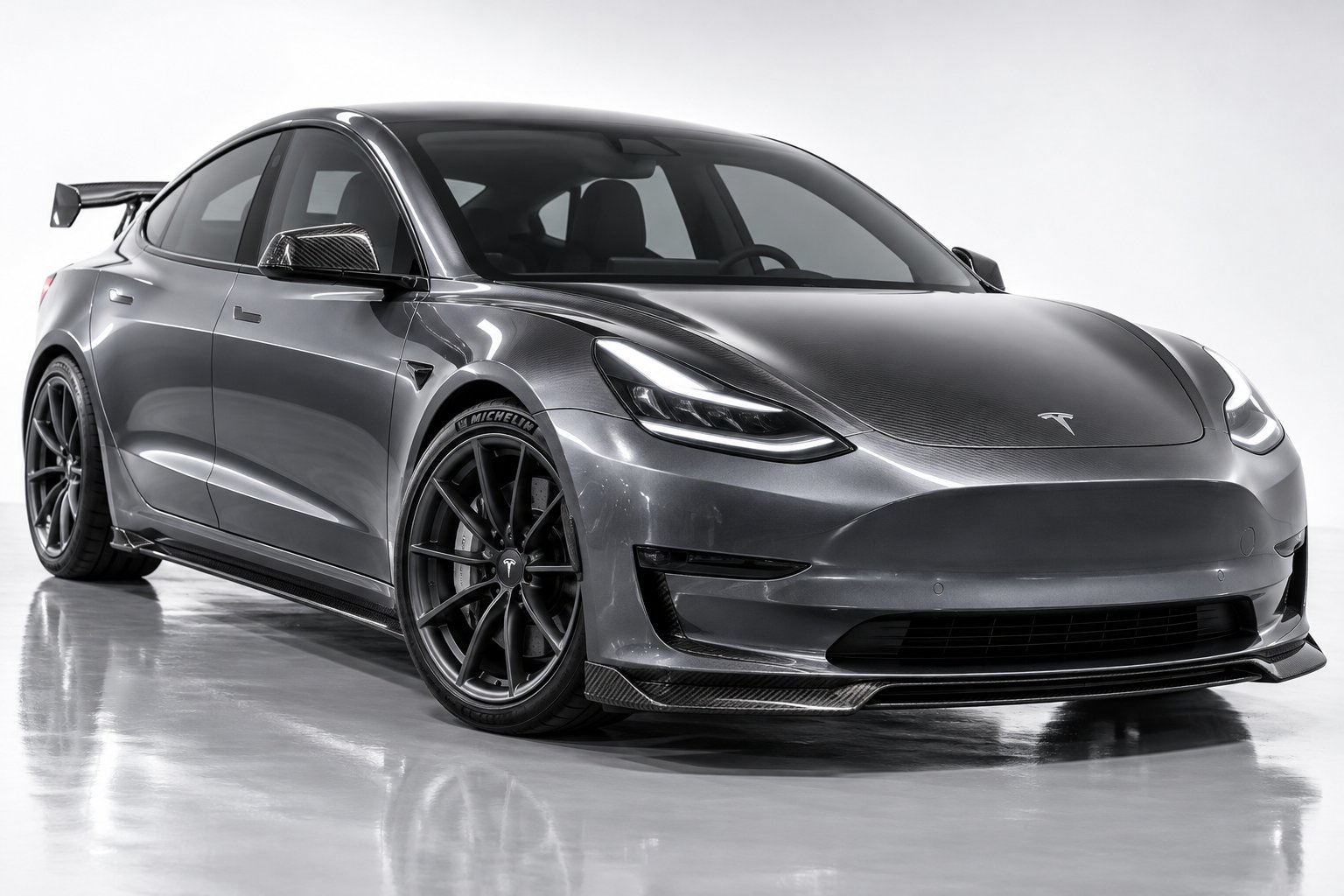
The spectrum of carbon fiber accessories for cars ranges from purely cosmetic trim pieces — mirror caps, interior dash panels, door handle covers — to functional aerodynamic components like splitters, diffusers, and spoilers that genuinely reduce drag or increase downforce. Cosmetic pieces let owners tap into carbon fiber's unmistakable woven texture and visual depth without the engineering overhead of load-bearing applications. Functional aero parts deliver measurable performance benefits at highway and track speeds while simultaneously reducing weight compared to stock plastic or metal equivalents.
For Tesla owners specifically, the aftermarket has matured rapidly. Companies like CUTIM offer real carbon fiber accessories designed to fit Tesla models precisely — interior trim, exterior accents, and styling upgrades crafted from authentic carbon fiber rather than vinyl wraps or printed imitations. The distinction matters: genuine carbon fiber delivers the actual lightweight benefit, UV-resistant durability, and layered visual depth that imitation products can only approximate. For owners who value authentic finish quality and premium materials, these accessories represent an accessible entry point into carbon fiber without the five-figure price tags of full body panels.
So how do you decide whether carbon fiber makes sense for your specific situation? A few practical considerations help frame the decision:
- Weight savings priority — If reducing weight directly improves performance, range, or fuel economy in your application, carbon fiber's premium is easier to justify through operational savings over time
- Aesthetic value — Carbon fiber's distinctive woven pattern and visual depth offer a look that no other material replicates; if appearance matters, genuine carbon fiber delivers what painted plastic and vinyl wraps cannot
- Durability requirements — Carbon fiber resists corrosion, maintains stiffness over time, and handles heat far better than most alternatives, meaning parts often outlast their steel or aluminum equivalents
- Production volume and availability — Low-volume custom parts carry heavy tooling amortization; widely produced aftermarket accessories spread that cost across thousands of units, making per-piece pricing far more reasonable
- Budget reality — Full carbon fiber body panels remain expensive; cosmetic trim and bolt-on accessories offer the material's benefits at a fraction of the cost
Understanding exactly why carbon fiber is expensive empowers you to distinguish genuine quality from overpriced imitations — and to recognize when the premium reflects real material value versus inflated marketing.
The entire cost chain traced through this article — from PAN precursor to finished part — exists in every authentic carbon fiber product you touch. When you know what drives those costs, you can evaluate whether a specific product's price reflects honest manufacturing economics or artificial markup. That knowledge is the real takeaway: not that carbon fiber is overpriced, but that its price tells a story — and now you can read every line of it.
Frequently Asked Questions About Carbon Fiber Costs
1. What is the biggest cost driver in carbon fiber production?
The polyacrylonitrile (PAN) precursor is the single largest cost driver, accounting for roughly 40% to 55% of the total production cost. PAN is derived from petroleum-based acrylonitrile, and only about 50% of it converts into usable carbon fiber — meaning you pay for material that never makes it into the final product. Petroleum price swings further amplify this cost, making the precursor a volatile and dominant expense before energy, labor, or tooling even factor in.
2. How much does carbon fiber cost per pound?
Carbon fiber pricing varies significantly by grade and tow size. Industrial-grade large-tow fiber typically ranges from $5 to $10 per pound, automotive and standard modulus grades fall between $10 and $15 per pound, and aerospace-grade small-tow fiber can run $15 to $30 or more per pound. These figures reflect raw fiber costs at the manufacturing level — finished composite parts carry additional expenses from tooling, hand layup labor, inspection, and curing that push retail prices considerably higher.
3. Will carbon fiber get cheaper in the future?
The pricing trend points downward, driven by several emerging technologies. Microwave-assisted carbonization could reduce energy use by up to 70%, with pilot facilities already operational. Lignin-based precursors derived from renewable wood pulp offer a far cheaper alternative to PAN, though structural-grade performance is still 5 to 10 years away. Growing electric vehicle demand may also trigger the large-volume production needed to unlock meaningful economies of scale. Chemical recycling methods recovering fibers at 95%+ of virgin strength are entering early commercial deployment, adding another source of downward pressure.
4. Why can't carbon fiber be mass-produced like steel or aluminum?
Carbon fiber faces a chicken-and-egg problem that steel and aluminum resolved decades ago. Manufacturers need guaranteed high-volume orders to justify the hundreds of millions in capital required to expand capacity, but industries like automotive need lower prices before committing to large-scale adoption. The production process itself is also inherently slower — parts are built one layer at a time through hand layup rather than stamped in seconds, and curing cycles take hours in autoclaves. Only a handful of global producers control supply, creating an oligopoly with high barriers to entry that further limits competitive pricing pressure.
5. Is carbon fiber worth it for car accessories and upgrades?
For automotive enthusiasts, carbon fiber accessories offer a practical entry point without the extreme costs of full structural components. Genuine carbon fiber trim, mirror caps, spoilers, and aero parts deliver real weight savings, corrosion resistance, and the distinctive woven visual depth that vinyl wraps cannot replicate. Companies like CUTIM provide authentic carbon fiber accessories specifically designed for Tesla vehicles at accessible price points, letting owners enjoy premium materials and lightweight performance. The key is choosing widely produced aftermarket parts that spread tooling costs across thousands of units rather than low-volume custom pieces with heavy amortization markups.